












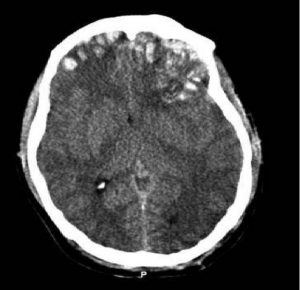
Traumatic brain injury or TBI is a life-altering condition that affects millions of individuals every year. From concussions to severe brain damage, traumatic brain injuries can be caused by auto accidents, slip-and-fall or trip-and-fall accidents or construction accidents, etc. The impact of a TBI reaches far beyond the initial trauma. It initiates a long and complex journey of recovery and
rehabilitation, often lasting months or even years. Understanding the stages of TBI recovery, the various therapies involved and the challenges faced by victims and their families is crucial for helping those affected and ensuring they receive the care they need.
Understanding TBI: A Spectrum of Severity
Traumatic brain injuries can be classified into mild, moderate or severe categories, depending on the extent of damage to the brain. Mild TBIs, often referred to as concussions, might involve temporary loss of consciousness or confusion. Moderate to severe TBIs, however, can lead to long-term physical, cognitive or emotional impairments. Each injury is unique, with the outcomes depending on factors such as the location and severity of the injury, the patient’s age and health and the speed and quality of medical intervention.
The Early Stages: Acute Medical Treatment
Immediately after a TBI, the priority is stabilizing the patient and preventing further damage. Emergency medical care may include surgery to relieve pressure on the brain, controlling bleeding, or removing damaged tissue. In more severe cases, patients may be placed in an induced coma to reduce brain activity and allow healing. This stage is critical to survival. Swift, skilled medical intervention can significantly influence long-term outcomes.
After stabilization, patients typically move to an intensive care unit or neurotrauma ward where continuous monitoring and supportive care continue. Even in these early stages, families begin to grapple with uncertainty and emotional distress because long-term effects are difficult to predict.
Transitioning to Rehabilitation
Once the patient is medically stable, the next phase — rehabilitation — begins. TBI rehabilitation is multi-faceted, focusing on regaining as much function and independence as possible. This phase often takes place in a specialized rehabilitation hospital or outpatient facility and involves a team of professionals including neurologists, physical therapists, occupational therapists, speech-language pathologists, neuropsychologists and social workers.
Each therapy addresses a specific set of deficits:
- Physical therapy helps with mobility, strength, balance and coordination. Patients
may relearn basic movements such as walking or using their limbs. - Occupational therapy assists with regaining the ability to perform everyday
activities, such as dressing, eating, or using a computer. - Speech and language therapy addresses challenges with communication,
cognition, and swallowing. - Neuropsychological therapy focuses on memory, attention, problem-solving and
emotional regulation, often impaired after a brain injury.
This stage can be long and grueling. Progress may be slow and setbacks are common. Patience, persistence and support are essential. Many patients and families report emotional ups and downs during this time as they grapple with feelings ranging from hope and determination to frustration and grief.
Cognitive and Emotional Recovery
One of the most difficult aspects of TBI recovery is addressing cognitive and emotional impairments. Survivors may experience problems with memory, concentration, planning or decision-making. Emotional changes can include depression, anxiety, mood swings, irritability or personality shifts. These changes can be just as disabling as physical impairments and may persist for months or years.
Reintegrating into work, school or social life can be a daunting challenge. Survivors may feel isolated or misunderstood, especially if their cognitive or emotional struggles are invisible to others. Therapy, support groups and counseling can be invaluable in helping patients cope and adapt. Family members and caregivers also need support because they often face the burden of care and emotional strain.
The Role of Family and Caregivers
In addition to being caregivers, family members often become advocates and supporters for the survivor. Their role is essential, but it can also be demanding. They often help manage therapy appointments, medication schedules and insurance claims — all while providing emotional support.
Caregivers also need to adapt to changes in their loved one’s behavior, personality, and capabilities. Counseling, respite care and caregiver support groups can help families manage stress and prevent burnout. Education is critical. Understanding the nature of brain injury helps caregivers set realistic expectations and celebrate small victories.
Long-Term Outlook and Adjustments
Recovery from a TBI is not linear. Many victims are in the position of having to come to terms with permanent impairments and learning how to live with them. In some cases, they may need lifelong assistance or accommodations such as assistive technologies, home modifications or vocational rehabilitation.
TBIs often carry significant financial burdens due to medical bills, lost income and longterm care needs. In cases where the injury was caused by negligence (carelessness) — such as a car accident, slip-and-fall or trip-and-fall accident, workplace accident, or assault — legal action may be warranted. A personal injury attorney who has successfully handled brain injury cases can help victims pursue compensation for damages including, but not limited to, medical costs, rehabilitation, lost wages and benefits, past and future pain and suffering, future care needs etc.
Contacting an Experienced Personal Injury Lawyer
If you or a loved one has been injured in a car accident or pedestrian accident, or if you have lost a loved one in an auto accident caused by a negligent (careless) driver, the experienced New York personal injury attorneys at the Law Offices of Kenneth A. Wilhelm can help you better understand your legal rights and options, and also fight hard to recover just compensation for you.
For over 53 years, our skilled accident attorneys have established a proven track record of helping injured victims get fair compensation for their losses. We recently recovered $5,600,000 for a bicyclist who was hit by a van, and $2,550,000 for another victim of a truck accident, and $3,000,000 for a pedestrian who was hit by a car, and $2,000,000 in a hit-and-run accident, and the full $1,000,000 insurance policy for a pedestrian who was hit by a truck, and $4,625,000 for a driver who was in a car and was hit by a van, and $2,500,000 for a man who fell through an improperly secured hole. We also recovered $1,500,000 for a lady who was hurt by a bus. Also, one of our clients obtained a verdict for $43,940,000 and another of our clients got a verdict for $23,500,000, both in medical malpractice cases.
Please contact us TOLL FREE 24 hours a day, 7 days a week at 1-800-WORK-4-YOU (1-800-967-5496). <strong>WE CAN EVEN COME TO YOU. There is no attorneys’ fee unless we recover money for you.</strong> We can also help with personal injury, lead poisoning and medical malpractice cases including, brachial plexus palsy (Erb’s palsy) and cerebral palsy cases in New York, New Jersey, Connecticut, Pennsylvania, or Florida. If you have been seriously injured in any of the 50 U.S. states, please call us and we will try to help you with your case.
Other TOLL FREE phone numbers for us are:
1-800-RADIO-LAW, 1-888-WYPADEK, OR 1-800-LAS-LEYES
Please visit us at: www.WORK4YOULAW.com
traumatic brain injury, brain damage, car accident, new york, personal injury, attorneys