













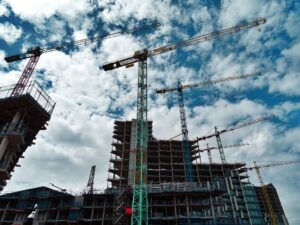
Construction work is among the most hazardous occupations in New York. Despite advances in safety regulations and oversight, construction site accidents remain alarmingly frequent across the city. Falls, being struck by falling objects, electrocutions and equipment malfunctions are among the leading causes of injuries and fatalities.
Two factors that are repeatedly cited in such incidents are poor housekeeping and lack of proper maintenance. Though sometimes overlooked compared to more obvious hazards like scaffolding or crane accidents, these conditions create a chain reaction of risks that compromise worker safety.
The Risks Posed by Poor Housekeeping
Housekeeping on construction sites refers to the organization, cleanliness and orderly storage of tools, materials and debris. This is critical for worker safety. Unfortunately, many New York construction sites suffer from inadequate housekeeping practices, which directly contribute to preventable accidents.
Trip and Fall Hazards
Loose cables, scattered tools, discarded packaging and uneven surfaces are some of the common signs that housekeeping has been neglected. Workers navigating these environments face constant risks of trips and slips, which can escalate into falls from heights when occurring near scaffolding edges, ladders or floor openings. According to the U.S. Occupational Safety and Health Administration (OSHA), falls are consistently the leading cause of construction fatalities and cluttered work areas often serve as the initial trigger.
Fire Risks
Construction generates combustible materials including wood scraps, sawdust, insulation and chemical containers. When these are left piled up or are not properly disposed, the likelihood of fires and explosions increases. Coupled with the frequent use of welding equipment, torches and electrical tools, poor housekeeping can turn a minor spark into a deadly blaze.
Impaired Emergency Response
Messy sites also complicate evacuation and emergency response. In the event of an accident, blocked pathways or stairwells can delay injured workers from receiving medical attention. Firefighters or paramedics may struggle to reach victims quickly, increasing the severity of injuries.
Falling Objects
Improper storage of materials, such as stacking bricks or lumber haphazardly, increases the risk of items falling from heights. In crowded New York worksites, where space is already limited, poor organization amplifies this danger, endangering both workers on the ground and pedestrians near the site.
Lack of Maintenance: Machinery and Infrastructure Failures
Construction relies heavily on machinery and temporary structures. Cranes, hoists, scaffolds, elevators, and power tools must all be maintained to function safely. When maintenance is neglected, equipment becomes unreliable, leading to serious accidents.
Equipment malfunctions: Tools and machines with worn parts, frayed cords or missing guards are common on poorly maintained sites. A malfunctioning power tool can cause lacerations and other severe injuries. In New York, where cranes dominate the skyline, the failure to properly inspect and service lifting equipment has led to tragic incidents in recent years.
Structural instability: Scaffolding, one of the most frequently cited hazards in construction, requires regular inspection and reinforcement. Without maintenance, bolts may loosen, planks may weaken, and safety nets may deteriorate. Workers relying on these structures may fall when they collapse or shift unexpectedly. Similarly, temporary shoring or formwork used during concrete pours can fail without upkeep, leading to catastrophic cave-ins.
Electrical hazards: Electrical systems on construction sites are often temporary, with extension cords, portable generators and junction boxes in constant use. When these systems are not regularly inspected, frayed wiring, exposed circuits and overloaded panels become shock and fire hazards. Inadequate maintenance transforms what should be manageable risks into deadly conditions.
Delayed repairs: Even when hazards are reported, many contractors delay repairs to save time or money. A broken ladder or defective guardrail left unfixed places every worker in danger. These issues, if not addressed promptly, often result in serious injuries.
Rights of Construction Workers in New York
New York has some of the strictest construction safety laws in the country, including the Scaffold Law (Labor Law §240) and Labor Law §241(6), which hold contractors, property owners and other parties accountable for providing safe workplaces. Poor housekeeping and neglected maintenance can be clear evidence of negligence (carelessness) under these statutes. Injured workers may have grounds for compensation if unsafe conditions caused their accidents.
Regulatory bodies like OSHA also mandate specific housekeeping and maintenance standards. For example, OSHA requires that passageways be kept clear, materials stored securely, and equipment inspected regularly. Violations can result in fines, work stoppages, and liability in civil lawsuits.
When a construction worker is injured on the job, the first line of financial protection is usually workers’ compensation. This system provides benefits regardless of fault, covering medical expenses, a portion of lost wages and rehabilitation costs. In cases of permanent disability, workers’ compensation may also provide long-term or lifetime benefits. However, workers’ compensation does not cover pain and suffering and benefits are often limited compared to the full extent of losses. The large verdicts and settlements occur when others are sued in third-party cases.
In some situations, injured workers may also pursue a third-party lawsuit in addition to workers’ compensation. These claims arise when someone other than the employer — such as a subcontractor, equipment manufacturer, or property owner — contributed to the accident. For example, if defective machinery caused the injury, the manufacturer may be held liable. Third-party lawsuits can provide compensation for damages not covered by workers’ compensation, including pain and suffering, emotional distress and full lost earnings.
Contacting an Experienced Lawyer
If you have suffered injuries in a construction-related accident, the experienced New York personal injury attorneys at the Law Offices of Kenneth A. Wilhelm can help you better understand your legal rights and options, and also fight hard to recover just compensation for you.
Our law firm recovered $3,375,576 for a construction worker (an undocumented immigrant) who was injured on the job — one of the highest construction case settlements in New York that year. Our law firm also recovered $3,000,000 for a man who fell and suffered two broken legs when he walked into an open elevator shaft. Also, one of our clients obtained a verdict for $43,940,000 and another of our clients got a verdict for $23,500,000, both in medical malpractice cases.
Please contact us TOLL FREE 24 hours a day, 7 days a week at 1-800-WORK-4-YOU (1-800-967-5496). WE CAN EVEN COME TO YOU. There is no attorneys‘ fee unless we recover money for you. We can also help with personal injury, lead poisoning and medical malpractice cases including, brachial plexus palsy (Erb’s palsy) and cerebral palsy cases in New York, New Jersey, Connecticut, Pennsylvania, or Florida. If you have been seriously injured in any of the 50 U.S. states, please call us and we will try to help you with your case.
Other TOLL FREE phone numbers for us are:
1-800-RADIO-LAW, 1-888-WYPADEK, OR 1-800-LAS-LEYES
Please visit us at: www.WORK4YOULAW.com