










Elevators are a routine part of urban life for most New York City residents, who may be unaware of the potential dangers that these machines pose. Property owners and managers play a pivotal role in ensuring the safety of elevator operations through regular maintenance, inspections, prompt repairs, and adherence to safety regulations. While elevators are generally safe when properly maintained, malfunctions, poor upkeep, and various factors involving negligence (carelessness) can contribute to catastrophic elevator accidents. Here are four dangers that NYC residents often face while riding elevators:
1. Mechanical Failures and Malfunctions
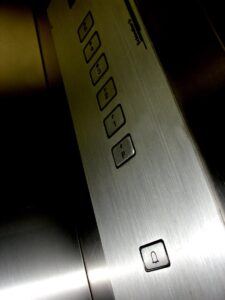 Elevator malfunctions and mechanical failures can occur due to various reasons, leading to potentially dangerous situations for passengers. Common issues include:
• Doors malfunctioning: Elevator doors failing to open or close properly can pose serious risks, such as passengers getting stuck between floors or caught in closing doors.
• Sudden stops or drops: Elevators experiencing sudden stops or dropping unexpectedly between floors can cause passengers to lose balance, fall, or suffer injuries.
• Overcrowding and weight limits: Overloading elevators beyond their weight limits can strain the elevator system, potentially causing it to malfunction or get stuck between floors.
Property owners and managers must conduct routine maintenance, inspections, and adhere to safety regulations to prevent such mechanical failures. Regular inspections by qualified professionals help identify and address potential issues before accidents occur.
2. Entrapment and Stuck Elevators
Getting trapped inside a malfunctioning or stuck elevator is a distressing experience for occupants. Several factors contribute to these types of incidents:
• Power outages: During power failures or electrical issues, elevators might get stuck between floors, leaving occupants stranded until power is restored.
• Faulty sensors or controls: Elevator sensors or control systems malfunctioning can cause the elevator to stop unexpectedly or become inoperable, leading to entrapment.
• Improper maintenance: Lack of proper maintenance and timely repairs increases the likelihood of elevators getting stuck or malfunctioning.
Ensuring regular maintenance, prompt repairs, and adhering to safety standards can significantly reduce the risk of entrapment. Property owners/managers should install emergency communication devices inside elevators, conduct routine inspections, and have clear emergency protocols in place to assist occupants in case of entrapment.
3. Trip and Fall and Slip and Fall Hazards
Elevator-related trip and fall and slip and fall incidents can occur inside the elevator or near its entrance:
• Uneven alignment: Elevator floors not aligning correctly with building floors pose tripping hazards when entering or exiting the elevator.
• Sudden level changes: Unexpected jolts upon arrival can cause passengers to trip or lose balance.
• Slippery or uneven entrance: The area around the elevator entrance can sometimes be uneven or slippery, increasing the risk of trips and falls or slips and falls.
Property owners/managers should maintain the flooring inside and outside elevators, ensuring proper alignment with building floors. Installing anti-slip materials and regularly checking and addressing any uneven surfaces can reduce the risk of trips and falls and slips and falls. Additionally, clear signage and warnings can alert passengers to potential hazards.
4. Door Related Accidents
Elevator door-related accidents are another significant danger for passengers:
• Closing door injuries: Elevator doors closing abruptly or forcefully can cause injuries to passengers trying to enter or exit the cabin.
• Mis-leveling: Doors that are misaligned with the floor level can result in tripping incidents due to catching shoes, clothing, etc. while entering or exiting.
Regular maintenance and proper adjustment of elevator door mechanisms are essential to prevent door-related accidents. Implementing sensors that detect obstructions and prevent doors from closing when something is in the way can significantly reduce the risk of injuries.
Contacting an Experienced Lawyer
If you or a loved one has been injured in an elevator/escalator accident or suffered injuries as a result of negligence (carelessness) on the part of property owners and/or property managers, elevator maintenance companies, etc., the experienced New York personal injury attorneys at the Law Offices of Kenneth A. Wilhelm can help you better understand your legal rights and options, and also fight hard to recover just compensation for you. For over 53 years, our skilled attorneys have established a proven track record of assisting injured victims.
Our law firm recovered $3,000,000 for a man who fell and suffered two broken legs when he walked into an open elevator shaft. In an interview by the Canadian television station Global News after a fatal escalator accident in Montreal, Mr. Kenneth A. Wilhelm stated that the installation of emergency stop buttons that are easily located and run the entire length of the escalator stairs may go a long way in preventing escalator accident injuries and fatalities. Our law firm helped a client secure $1,750,000 in a case where she suffered an ankle injury requiring surgery when the elevator she was in fell four floors due to negligence (carelessness) on the part of the elevator maintenance company. In addition, we got the workers’ compensation insurance company to pay a $150,000 lump sum for future medical benefits. Also, one of our clients obtained a verdict for $43,940,000 and another of our clients got a verdict for $23,500,000, both in medical malpractice cases.
Please contact us TOLL FREE 24 hours a day, 7 days a week at 1-800-WORK-4-YOU (1-800-967-5496). WE CAN EVEN COME TO YOU. There is no attorneys’ fee unless we recover money for you. We can also help with personal injury, lead poisoning and medical malpractice cases including, brachial plexus palsy (Erb’s palsy) and cerebral palsy cases in New York, New Jersey, Connecticut, Pennsylvania, or Florida. If you have been seriously injured in any of the 50 U.S. states, please call us and we will try to help you with your case.
Other TOLL FREE phone numbers for us are:
1-800-RADIO-LAW, 1-888-WYPADEK, OR 1-800-LAS-LEYES
Please visit us at: www.WORK4YOULAW.com