













Cephalopelvic Disproportion (CPD) is a condition that occurs when a baby’s head or body is too large to fit through the mother’s pelvis during childbirth. This discrepancy can lead to complications and birth injuries if not properly managed. Understanding CPD, its causes, diagnosis, and potential outcomes is crucial for preventing and addressing birth injuries effectively.
 Understanding Cephalopelvic Disproportion
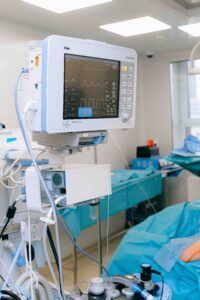 Understanding Cephalopelvic Disproportion
Cephalopelvic Disproportion (CPD) refers to a mismatch between the size of the fetal head or body and the maternal pelvis, making vaginal delivery difficult or impossible. CPD can be caused by various factors related to both the mother and the baby. Some of these factors involve the mother or the baby. Women with an abnormally shaped or small pelvis may have difficulty delivering a baby vaginally. Shorter women might have smaller pelvic dimensions. Conditions like rickets or pelvic fractures can affect pelvic size and shape.
In some cases, babies who are significantly larger than average, often due to maternal diabetes, have a higher risk of CPD. Breech or transverse positions can complicate delivery. Another factor is a condition where excessive fluid in the baby’s brain that increases head size.
It is the responsibility of medical professionals to monitor the condition of the fetus and the mother and make decisions that reduce or eliminate a risky delivery. If your child has suffered a birth injury due to CPD, he or she may be able to receive compensation that helps pay for medical expenses, lost income, cost of therapy, future treatments, permanent injuries, disabilities, past and future pain and suffering, etc.
How is CPD Diagnosed?
Diagnosing CPD before labor begins is challenging and often relies on a combination of maternal history, physical examination, and imaging studies:
- Pelvimetry: Measurement of the dimensions of the pelvis can help assess its size and shape. However, its predictive value for CPD is limited.
- Ultrasound: Prenatal ultrasound can estimate the baby’s size and position, helping to identify potential issues.
- Clinical Assessment: During labor, the progress of cervical dilation, fetal descent, and response to labor can indicate CPD. Prolonged labor or failure of the baby to descend despite strong contractions may suggest CPD.
Proper management of CPD is essential to prevent birth injuries. Strategies include:
- Cesarean Section (C-Section): If CPD is diagnosed or highly suspected before labor, a C-section is often recommended to prevent complications.
- Trial of Labor: In some cases, a trial of labor may be attempted, with careful monitoring. If progress is not adequate, an emergency C-section can be performed.
Birth Injuries Associated with CPD
If CPD is not appropriately managed, it can lead to various birth injuries, affecting both the baby and the mother. Some of the most common injuries include:
- Skull fractures: Excessive pressure during delivery can cause fractures in the baby’s skull.
- Intracranial hemorrhage: Bleeding within the brain due to trauma can lead to serious complications, including brain damage.
- Brachial plexus injury: Nerve damage in the neck and shoulder area, often resulting from forceful extraction, can cause permanent disability leading to brachial plexus palsy or Erb’s palsy.
- Clavicle fracture: The baby’s collarbone may fracture during difficult delivery.
- Asphyxia and hypoxia: Prolonged labor or difficulty in delivering the baby’s head can lead to insufficient oxygen supply, causing brain damage or cerebral palsy.
Prevention and Early Intervention
Preventing and managing CPD effectively requires early intervention and vigilant prenatal care:
- Prenatal monitoring: Routine check-ups help monitor the baby’s growth and the mother’s health, allowing for early identification of potential issues.
- Management of maternal health conditions: Controlling diabetes, maintaining a healthy weight, and addressing any pelvic abnormalities are crucial steps.
- Proper labor management: Close monitoring of labor progress, timely decision-making regarding C-sections, and judicious use of labor augmentation techniques are essential to minimize risks.
Contacting an Experienced Lawyer
The costs of caring for a child with a birth injury can add up very quickly. If your child’s injury was caused by medical negligence (carelessness), you may be able to seek compensation for damages including loss of earnings, medical expenses, cost of hospitalization, ongoing treatment and therapies, psychological counseling, permanent injuries, disabilities, past and future pain and suffering, etc.
The experienced New York personal injury attorneys at the Law Offices of Kenneth A. Wilhelm can help you better understand your legal rights and options, and also fight hard to recover just compensation for you. One of our clients secured a $2,850,000 verdict that was reduced by the appeals court to $1,846,000 because the verdict was so large. This was the highest amount upheld by the appellate (appeals) courts for many, many years. In addition we recovered $1,400,000 for a newborn who lost motion in the arm during birth due to doctors applying incorrect force on the baby’s head. Also, one of our clients obtained a verdict for $43,940,000 and another of our clients got a verdict for $23,500,000, both in medical malpractice cases.
We have seen cases where New York City Health and Hospital Corporation facilities deliver babies who are born with birth injuries stemming from negligence (carelessness), and/or medical malpractice in the labor and delivery etc. of the children.
The following list identifies some of these hospitals (operated by New York City Health and Hospitals Corporation):
• Jacobi Hospital aka Bronx Municipal 1400 Pelham Parkway South Bronx, New York 10461 718-918-5000
• Lincoln Hospital 234 East 149th Street Bronx, New York 10451 718-579-5000
• North Central Bronx Hospital 3424 Kossuth Avenue Bronx, New York 10467 718-519-5000
• Coney Island Hospital 2601 Ocean Parkway Brooklyn, New York 11235 718-616-3000
• Kings County Hospital 451 Clarkson Avenue Brooklyn, New York 11203 718-245-3131
• Woodhull Hospital 760 Broadway Brooklyn, New York 11206 718-963-8000
• Bellevue Hospital 462 First Avenue New York, New York 10016 212-562-5555
• Harlem Hospital 506 Lenox Avenue New York, New York 10037 212-939-1000
• Metropolitan Hospital 1901 First Avenue New York, New York 10029 212-423-6262
• Elmhurst Hospital 79-01 Broadway Elmhurst, New York 11373 718-334-4000
• Queens Hospital Center 82-68 164th Street Jamaica, New York 11432 718-883-3000
Please contact us TOLL FREE 24 hours a day, 7 days a week at 1-800-WORK-4-YOU (1-800-967-5496). WE CAN EVEN COME TO YOU. There is no attorneys’ fee unless we recover money for you. We can also help with personal injury, lead poisoning and medical malpractice cases including, brachial plexus palsy (Erb’s palsy) and cerebral palsy cases in New York, New Jersey, Connecticut, Pennsylvania, or Florida. If you have been seriously injured in any of the 50 U.S. states, please call us and we will try to help you with your case.
Other TOLL FREE phone numbers for us are:
1-800-RADIO-LAW, 1-888-WYPADEK, OR 1-800-LAS-LEYES
Please visit us at: www.WORK4YOULAW.com