












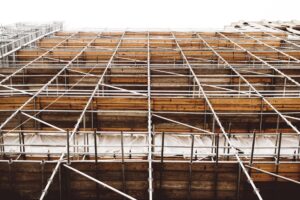
 Scaffolding accidents are a significant safety concern in the construction industry, often resulting in serious injuries or fatalities. Construction laborers, who frequently work at elevations, are particularly vulnerable in scaffolding accidents. Such construction workers include:
1. General Construction Laborers
General construction laborers are often at the highest risk of being involved in such accidents because they perform a wide range of tasks on scaffolds, including carrying materials, assembling and disassembling scaffold structures, and working on elevated surfaces. Their job requires them to be constantly moving on and around scaffolding, which increases their exposure to potential hazards. The nature of their work typically involves handling heavy materials, operating tools, and performing physically demanding tasks at height, all of which can contribute to the likelihood of accidents.
2. Masonry Workers
Masonry workers, who construct and repair structures made of brick, stone, and other materials, frequently work on scaffolding. Their tasks can require precision and involve handling heavy materials at significant heights. The weight and unwieldiness of materials like bricks and blocks can increase the risk of accidents, as can the need to maneuver these materials on narrow scaffold platforms.
3. Carpenters
Carpenters, who work on the construction and installation of wooden structures, also face significant risks when working on scaffolding. Carpenters often perform tasks such as framing, roofing, and installing windows and doors, which frequently require them to work on elevated platforms. The use of power tools and sharp instruments adds another layer of risk, as losing balance or focus can lead to accidents.
4. Painters and Plasterers
Painters and plasterers, who are responsible for finishing walls and ceilings, often work on scaffolding to reach high areas. These workers are at risk because their tasks require them to maintain steady hands and focus on their work, causing them to miss potential hazards. Additionally, painters and plasterers often work with materials that can make surfaces slippery, such as paint, plaster, and other coatings. This increases the risk of slips and falls on scaffolding.
5. Ironworkers and Steelworkers
Ironworkers and steel erectors, who assemble the metal framework of buildings, bridges, and other structures, often work at great heights and on scaffolding. The nature of their work, which involves heavy materials and working in sometimes windy or unstable conditions, makes them particularly vulnerable to scaffolding accidents. Ironworkers are often required to move large steel beams and other materials into place, which can be dangerous when working on narrow or uneven scaffold platforms. The height at which ironworkers operate also increases the severity of potential falls.
5. Electricians and Plumbers
Electricians and plumbers often need to work on scaffolding to install electrical systems, plumbing, and other utilities in buildings. Such workers may face risks similar to those of other construction workers, but with additional hazards related to their specific tasks. For instance, electricians may work with live wires and electrical components, adding the risk of electric shock or electrocution to the dangers of working at height. Similarly, plumbers may work with heavy pipes and other materials that can be difficult to maneuver on scaffolding.
6. Demolition Workers
Demolition workers, who are responsible for tearing down buildings and other structures, face unique risks when working on scaffolding. The nature of their work involves creating controlled collapses, which can lead to unstable surfaces and unexpected shifts in the scaffold structure. Demolition work is inherently unpredictable, and even well-planned demolitions can result in debris falling onto scaffolding or scaffolding itself becoming unstable.
7. Roofers
Roofers, who install and repair roofs, often work on scaffolding to reach the higher parts of buildings. The nature of roofing work, which involves moving heavy materials like shingles, tar, and tools, can be particularly hazardous on scaffolding. Roofers are also exposed to weather conditions such as wind, rain, and extreme temperatures, which can make scaffolding slippery or unstable.
Factors Contributing to Scaffolding Accidents
Several factors can increase the risk of a scaffolding accident occurring. These include:
- Inadequate training: Workers who are not properly trained in scaffold safety are more likely to be involved in accidents. Training should cover not only how to use scaffolding safely but also how to recognize and respond to potential hazards.
- Improper scaffold construction: Scaffolding that is not constructed or maintained correctly can be unstable, increasing the risk of collapse or falls. This includes using the wrong materials, not securing the scaffolding properly, or failing to inspect it regularly.
- Lack of safety equipment: The absence of appropriate safety equipment, such as guardrails, harnesses, and safety nets, can significantly increase the risk of injury or death in the event of a fall.
- Environmental conditions: Weather conditions, such as rain, snow, or high winds, can make scaffolding slippery or unstable, increasing the likelihood of accidents. Additionally, working in low light or on uneven terrain can contribute to the risk.
Contacting an Experienced Lawyer
If you or a loved one has been injured in a construction accident, the experienced personal injury attorneys at the Law Offices of Kenneth A. Wilhelm can help you better understand your legal rights and options. For over 53 years, our skilled accident attorneys have established a proven track record of helping injured victims get fair compensation for their losses. Our law firm recovered $3,375,576 for a construction worker (an undocumented immigrant) who was injured on the job — one of the highest construction case settlements in New York that year. Also, one of our clients obtained a verdict for $43,940,000 and another of our clients got a verdict for $23,500,000, both in medical malpractice cases.
Please contact us TOLL FREE 24 hours a day, 7 days a week at 1-800-WORK-4-YOU (1-800-967-5496). WE CAN EVEN COME TO YOU. There is no attorneys’ fee unless we recover money for you. We can also help with personal injury, lead poisoning and medical malpractice cases including, brachial plexus palsy (Erb’s palsy) and cerebral palsy cases in New York, New Jersey, Connecticut, Pennsylvania, or Florida. If you have been seriously injured in any of the 50 U.S. states, please call us and we will try to help you with your case.
Other TOLL FREE phone numbers for us are:
1-800-RADIO-LAW, 1-888-WYPADEK, OR 1-800-LAS-LEYES
Please visit us at: www.WORK4YOULAW.com