













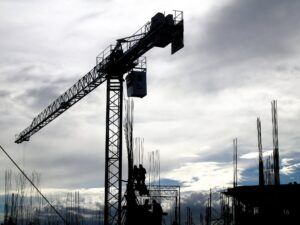
 Five workers were injured after a boom truck malfunctioned at a Manhattan construction site the afternoon of Jan. 9. According to a report in the New York Daily News, police and members of the FDNY were initially called to the corner of West 207th St. and Ninth Avenue in Inwood. When they arrived, first responders realized the piece of malfunctioning machinery was a built-in crane on a boom truck. The laborers were using a boom truck to move rebar, according to a construction worker who talked to the Daily News.
Ongoing Investigation
The worker said it “snapped right there and came down with the boom.” He said one worker appeared to have suffered a broken leg in the construction site accident. Medics transported three injured construction workers to an area hospital where they were expected to recover. Two other victims were treated at the scene. Law enforcement officials said the most seriously injured worker suffered a broken femur.
The New York Department of Buildings (DOB) records show two open violations at the construction site from December when a worker was struck on his shoulder by an aluminum beam. Demolition permits attached to the address were first filed in May 2022, according to DOB records. A 17-story mixed-used project was under construction at the scene of this accident.
Common Causes of Crane Accidents
Crane accidents can occur due to various factors, often stemming from a combination of human error, mechanical failure, environmental conditions, or inadequate safety measures. Some common causes of crane accidents include:
- Overloading: Exceeding a crane’s maximum load capacity can lead to structural failure, tipping, buckling or collapse.
- Poor crane setup: Incorrect assembly, unstable ground, or improper support can compromise the crane’s stability.
- Operator error: Inadequate training, negligence (carelessness), or improper operation of the crane can result in accidents.
- Mechanical failure: Malfunctioning or poorly maintained parts, including hoists, cables, brakes, or hydraulic systems, can cause accidents.
- Environmental factors: High winds, extreme weather conditions, or working near power lines can increase the risk of accidents.
- Lack of communication: Inadequate communication between crane operators, signalers, and other workers can lead to misunderstandings and accidents.
- Improper maintenance: Failure to conduct regular inspections and maintenance can result in undetected issues that may lead to accidents.
- Inadequate supervision: Lack of oversight or failure to follow safety protocols on the worksite can contribute to accidents.
- Rigging failures: Defective or improperly rigged loads can cause them to become unstable or fall during lifting operations.
- Human factors: Fatigue, distraction, or impairment due to drugs or alcohol can impair an operator’s judgment and lead to accidents.
Crane Accident Injuries and Compensation
Crane accidents can result in severe injuries due to the heavy machinery involved and the potential for significant impacts. Common injuries sustained in crane accidents include traumatic brain injuries, spinal cord injuries leading to paralysis, fractures, crush injuries, and amputations. The impact of a crane collapse or malfunction can cause victims to be struck by falling debris or trapped underneath heavy loads, resulting in severe trauma. Injuries sustained may also include soft tissue damage, lacerations, and contusions. The risk of such injuries underscores the importance of stringent safety measures, comprehensive training, and strict adherence to protocols to prevent crane accidents and safeguard the well-being of workers at construction sites.
Construction workers, bystanders or passersby injured by crane collapse accidents or construction site accidents involving falling equipment, debris or poorly maintained equipment should understand they have legal rights. Workers who have been injured in crane accidents may be eligible to receive workers’ compensation benefits, which covers medical expenses and a portion of lost wages. In addition, workers may also be able to file a third-party claim against a negligent (careless) party other than the employer or co-employees for significant monetary damages and have two sources of compensation available for their losses. Examples of third parties include, but are not limited to, general contractors, construction companies, crane operator, maintenance firms, sub-contractors, building owners, managing agents etc.
Contacting an Experienced Lawyer
If you or a loved one has been injured in a crane accident, the experienced personal injury attorneys at the Law Offices of Kenneth A. Wilhelm can help you better understand your legal rights and options, and also fight hard to recover just compensation for you. For over 53 years, our skilled accident attorneys have established a proven track record of helping injured victims get fair compensation for their losses. Our law firm recovered $3,375,576 for a construction worker (an undocumented immigrant) who was injured on the job — one of the highest construction case settlements in New York that year. Our law firm also recovered $3,000,000 for a man who fell and suffered two broken legs when he walked into an open elevator shaft. Also, one of our clients obtained a verdict for $43,940,000 and another of our clients got a verdict for $23,500,000, both in medical malpractice cases.
Please contact us TOLL FREE 24 hours a day, 7 days a week at 1-800-WORK-4-YOU (1-800-967-5496). WE CAN EVEN COME TO YOU. There is no attorneys’ fee unless we recover money for you. We can also help with personal injury, lead poisoning and medical malpractice cases including, brachial plexus palsy (Erb’s palsy) and cerebral palsy cases in New York, New Jersey, Connecticut, Pennsylvania, or Florida. If you have been seriously injured in any of the 50 U.S. states, please call us and we will try to help you with your case.
Other TOLL FREE phone numbers for us are:
1-800-RADIO-LAW, 1-888-WYPADEK, OR 1-800-LAS-LEYES
Please visit us at: www.WORK4YOULAW.com
Source: https://www.nydailynews.com/2024/01/09/five-injured-in-manhattan-construction-site-malfunction/